Why use an Environment Agency-licensed waste carrier?
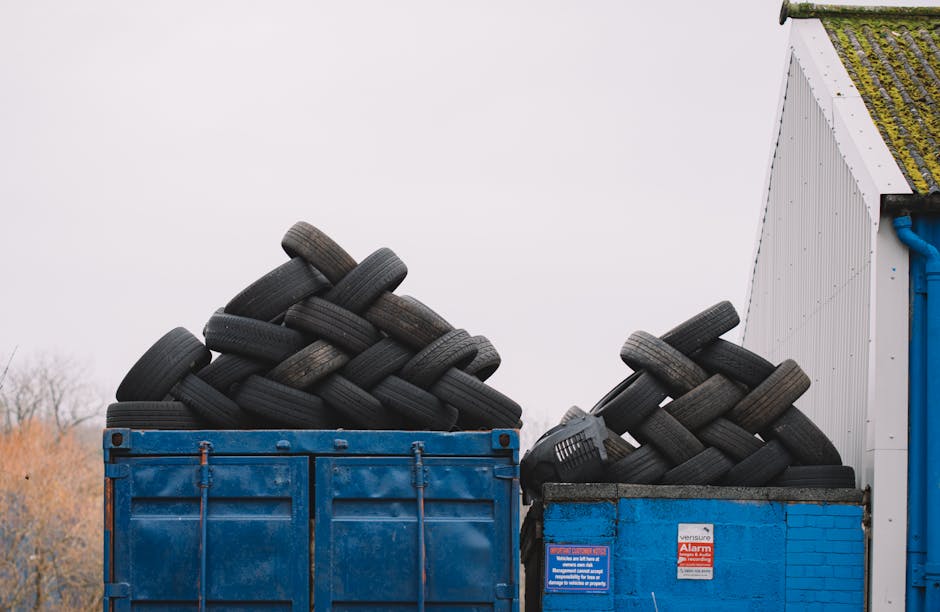
If you have ever looked at a pile of old furniture, builder's rubble, or a van load of mixed rubbish and thought, "Who should actually take this away?" - you are asking the right question. Why use an Environment Agency-licensed waste carrier? Because it gives you a safer, more compliant way to get rid of waste without handing your rubbish to someone who may dump it illegally, disappear after payment, or leave you carrying the blame.
To be fair, waste removal can look simple from the outside. A truck turns up, the waste disappears, job done. But behind that quick handover is a real responsibility around storage, transport, transfer, and disposal. If the carrier is not properly licensed, the risk does not vanish with the rubbish. It can come back to you. This guide explains what the licence means, how it works in practice, what benefits you get, and how to choose the right service with confidence.
Whether you are clearing a house, replacing a sofa, emptying a garage, or managing business waste, a licensed carrier is more than a nice-to-have. It is the difference between a tidy, traceable service and a job that could become a headache later. Sometimes a very expensive headache.
Why Why use an Environment Agency-licensed waste carrier? Matters
The short answer is trust. A licensed waste carrier is registered to transport waste and expected to handle it in line with UK waste rules and accepted best practice. That matters because waste does not just disappear when it leaves your driveway. It has to go somewhere, and the route it takes should be traceable.
If you hire an unlicensed collector, you may save a bit upfront, but you are also relying on someone whose operations you cannot properly verify. If waste is fly-tipped, burned, abandoned in a layby, or handled badly, the original producer of the waste may still face questions. That is the part many people miss. The person who handed the waste over can be drawn into the mess if they failed to check who they used.
This is especially relevant for businesses, landlords, managing agents, tradespeople, and homeowners doing larger clearances. In those situations, a professional paper trail and sensible handling are not paperwork for the sake of it. They are protection. Simple as that.
There is also a practical side. Licensed carriers tend to be more organised about sorting, loading, transporting, and diverting waste to the right destination. That usually means less friction on the day, fewer delays, and a clearer idea of what is happening to your items after collection. You can actually breathe a little easier once the van pulls away.
Expert summary: A licensed waste carrier gives you traceability, better compliance, and lower risk. In real life, that usually means fewer surprises, fewer disputes, and far more peace of mind.
How Why use an Environment Agency-licensed waste carrier? Works
In practice, the process is straightforward. You arrange a collection, the waste carrier attends, the load is assessed, and the waste is taken away for sorting, reuse, recovery, recycling, or disposal. The key difference is that a licensed carrier is part of a regulated chain rather than a loose, informal handover.
Here is what usually happens step by step:
- You describe the waste - for example, mixed household rubbish, bulky items, garden waste, or builders' debris.
- The carrier confirms what they can take - some waste streams need special handling, and not everything can be mixed together.
- The collection is booked - often with a time window, access details, and any lifting notes.
- The waste is loaded - carefully, ideally with the service provider checking items that need separation.
- Documentation is issued where appropriate - businesses often need a Waste Transfer Note or equivalent record, depending on the arrangement.
- The waste is taken to the correct destination - such as a transfer station, recycling facility, or licensed disposal site.
For a homeowner clearing out a garage, this may feel refreshingly simple. For a contractor with recurring waste, the admin side matters more. Either way, licensed collection is about making sure the waste leaves your control in a lawful, documented way.
If you are using services like house clearance, office clearance, or builders waste clearance, that structured approach becomes even more valuable. These jobs tend to produce more mixed material, and mixed loads are where sloppy handling can create problems.
Key Benefits and Practical Advantages
There are the obvious benefits, and then there are the ones people only appreciate later. The obvious ones are legal compliance, reduced risk, and more professional handling. The quieter benefits are just as important.
1. You reduce the risk of fly-tipping fallout
Fly-tipping is not just a local nuisance. It can become your problem if you used the wrong carrier and failed to check who they were. A licensed operator gives you a much stronger position if anyone asks where the waste went and who handled it.
2. You get a cleaner audit trail
That matters for businesses, landlords, builders, and facilities teams. If you ever need to show that waste was transferred properly, you want clear records. No drama, no vague promises, no "don't worry, mate, it's sorted."
3. The service is usually more reliable
Licensed carriers tend to be set up to do this work properly. Vehicles, labour, paperwork, and disposal routes are more likely to be organised. That often means better punctuality and smoother collections. Not always perfect, let's be honest, but far better than the cheap-and-cheerful gamble.
4. It supports better recycling outcomes
Professional carriers are more likely to separate reusable or recyclable material from general waste. That is especially relevant for bulky items like furniture, appliances, and mixed household clearances. If sustainability matters to you, this is where it starts - in the boring but vital middle ground of sorting and transport. Not glamorous, but real.
For readers comparing different waste services, it is worth exploring broader options such as waste removal, rubbish clearance, and waste disposal. A good provider should explain what happens to the waste, not just how fast they can lift it.
5. It can save time and hassle
Trying to hire a van, queue at a site, sort the load, and understand acceptance rules is a pain for many people. A licensed carrier removes that burden. For busy households or small businesses, that convenience alone is often worth it.
| What you get | Licensed waste carrier | Unlicensed operator |
|---|---|---|
| Traceable waste handling | Usually yes | Often unclear or absent |
| Compliance confidence | Much stronger | Risky |
| Paperwork support | Common for business jobs | Often minimal |
| Fly-tipping risk | Lower | Higher |
| Professional service standards | Typically better | Variable |
Who This Is For and When It Makes Sense
A licensed carrier is a sensible choice for almost anyone producing waste that cannot simply go in a household bin. That includes homeowners, tenants, landlords, tradespeople, shopkeepers, offices, and anyone managing an end-of-tenancy or clearance job.
It makes particular sense in situations like these:
- you are clearing bulky items such as beds, sofas, wardrobes, or white goods
- you have builder's waste after renovation or repairs
- you need regular collections for a business or office
- you want a faster alternative to council collection routes
- you do not want to risk using an unknown roadside operator
- you need some confidence around recycling and disposal
If you are dealing with large items, you may also want a service that specifically handles bulky waste collection, large item collection, or even a tailored service like furniture disposal. That matters because not every waste job is the same. A mattress, a fridge, and a pile of renovation rubble all need different handling.
And if you are in London, where access, parking, and tight streets can make a collection more awkward, using an organised licensed carrier can save a world of trouble. In our experience, the best jobs are the ones where everyone knows the plan before the lorry even arrives. Small thing, big difference.
Step-by-Step Guidance
If you are trying to choose the right provider, a practical process helps. No need to overcomplicate it.
- Identify the waste type
List what you need removed. Separate anything hazardous, electrical, sharp, or especially heavy. A mixed pile is fine, but knowing what is in it helps avoid surprises. - Check that the carrier is licensed
Do not just take a friendly tone and a cheap quote as proof. Ask directly about registration and whether they are licensed to carry the waste type you have. - Ask what happens after collection
Where does the waste go? Is it sorted? Recycled? Taken to a transfer station? A decent operator should be able to explain this plainly. - Confirm pricing clearly
Is the quote based on volume, item type, labour, access, or disposal charges? Transparent pricing reduces awkward moments on the day. - Arrange access details
Stairs, basements, parking restrictions, time limits, and loading access all affect the job. A five-minute conversation can save a thirty-minute delay. - Keep your records
For business waste especially, keep any transfer notes, invoices, or collection confirmations. If questions come later, you will be glad you did.
If your waste is a mix of common household items, services such as furniture collection, sofa removal, or mattress collection may be more efficient than trying to handle everything yourself. That is especially true if you are juggling other jobs, which, frankly, most people are.
Expert Tips for Better Results
A few small decisions make a surprisingly big difference. These are the bits people often only learn after a messy first attempt.
- Sort as much as you can beforehand. It speeds up loading and can improve recycling outcomes. Even rough grouping helps - wood together, metal together, electricals separate if possible.
- Photograph the waste before booking. A quick set of pictures on your phone helps the carrier quote more accurately and avoids misunderstandings.
- Be honest about access. If the property has a narrow staircase, no lift, or awkward parking, say so. It saves everyone time.
- Ask how mixed loads are handled. A provider should be able to explain whether items are reused, recycled, or disposed of in line with their waste stream.
- Use a provider with suitable local coverage. If you are in a specific area, choosing a team that works there regularly can make collections smoother.
For London readers, local familiarity can matter more than people expect. A team used to Central London restrictions, or places like West London and South East London, will usually understand access, traffic, and timing better than a one-size-fits-all outfit.
A small tip that sounds obvious but gets ignored all the time: do not leave the collection until the last minute if you are on a deadline. Waste has a habit of turning up right when you do not want it to. Bit rude, really.
Common Mistakes to Avoid
People usually do not make the same mistakes because they are careless. They make them because the process looks easier than it is. Fair enough. But a few errors keep cropping up.
Choosing only on price
The cheapest quote is not always the best value. If one provider is dramatically cheaper, ask why. Are they carrying less insurance? Are disposal costs hidden? Are they actually licensed? Cheap can be good, but suspiciously cheap deserves a raised eyebrow.
Not checking the licence status
This is the big one. A professional website and a friendly phone manner are not the same thing as proper registration. Always verify before you hand over the waste.
Mixing everything together blindly
Some items require separate handling, and mixing loads can increase cost or create compliance problems. Think carefully about electricals, fridges, hazardous items, and anything with sharp edges or liquids.
Ignoring the paperwork
Businesses in particular should not treat records as optional. If you need evidence of responsible transfer, keep it. Future-you will be grateful, even if present-you is grumbling at the admin.
Assuming all waste services are the same
There is a real difference between general rubbish clearance, builder's waste handling, furniture removal, and specialist disposal. Matching the job to the right service usually saves time and money.
For example, a full property clearance may be better handled through flat clearance, garage clearance, or loft clearance rather than piecing together several unrelated collections.
Tools, Resources and Recommendations
You do not need a complicated toolkit, but a few simple resources make the process much easier.
- Photos of the waste - useful for quotes and planning.
- Measurements - door widths, stair turns, garden access, and parking space size.
- A quick item list - especially if you have electrical items or mixed materials.
- Access notes - gate codes, call boxes, floor numbers, loading restrictions.
- Basic sorting bags or boxes - handy for small recyclables or loose items.
If you are comparing services, browsing pages such as pricing and quotes, recycling and sustainability, and insurance and safety can help you judge whether a provider is operating with real care or just looking polished.
For larger domestic projects, related services like home clearance, furniture clearance, and waste clearance may also be useful depending on what you are getting rid of.
Law, Compliance, Standards, or Best Practice
This area is worth treating carefully. Waste handling in the UK is regulated, and requirements can differ depending on whether the waste is household, commercial, construction-related, or something more specialised. A licensed carrier is part of the system that helps keep transport and disposal traceable.
For businesses, the compliance expectations are especially important. You may need records that show the waste was transferred appropriately, and you should not assume that verbal reassurance is enough. Best practice is to keep documentation, confirm the carrier's status, and understand where the waste is going. If the operator cannot explain that clearly, that is usually a warning sign.
Even for domestic customers, it is wise to keep proof of collection. It is a small habit, but it can protect you if any questions arise later. And if a waste collector asks you to skip the paperwork entirely, well, that is not the moment to be polite and move on.
Another sensible best practice is to use providers that are transparent about safety, loading, and disposal procedures. You can learn a lot from how they answer simple questions. Do they sound organised? Do they explain things plainly? Do they seem comfortable talking about recycling routes, disposal destinations, and safety measures? Those details matter.
Options, Methods, or Comparison Table
There are usually three broad ways people deal with waste. Each has a place, depending on the job.
| Method | Best for | Pros | Watch-outs |
|---|---|---|---|
| Council collection | Smaller or scheduled household items | Can be convenient and familiar | May have restrictions, delays, or item limits |
| Licensed waste carrier | Bulky, mixed, business, or urgent waste | Flexible, traceable, practical | Quality varies, so check credentials |
| DIY disposal | Small loads when you have time and transport | Full control over timing | Physical effort, site rules, travel, and your own time |
For many readers, the licensed carrier sits in the middle ground: quicker than self-haulage, more flexible than council routes, and usually better suited to mixed or awkward loads. If you have ever tried loading a dusty sofa into a hatchback, you will know why this matters. Not fun. Not even slightly.
That said, the right method depends on the waste stream. A simple mattress removal is one thing; a full office strip-out is another. The smartest choice is the one that fits the load, the deadline, and the level of documentation you need.
Case Study or Real-World Example
Imagine a small design studio in London clearing out after a lease ends. There are broken desks, office chairs, old filing cabinets, boxed paper waste, and a couple of bulky storage units. The team wants the space emptied quickly so the handover inspection does not become a scramble.
They could try to hire a van, separate everything themselves, and make multiple trips. They could also book a collection from an unverified operator offering a very low price. But in practice, that would create risk, wasted time, and a fair bit of stress.
Instead, they use a licensed waste carrier. The provider asks for photos, confirms access, explains what can be taken in one load, and arranges the collection around the studio's schedule. The waste is removed in a single visit, the team receives the right paperwork, and the office is cleared without a last-minute panic on the pavement outside.
Nothing dramatic happened - which is exactly the point. The best waste jobs often feel almost boring. You make the right call, the service is tidy, and everyone moves on.
Another everyday example: a family renovating a flat and needing a mix of old kitchen units, packaging, broken shelving, and a mattress gone by Friday. A licensed carrier handling waste collection or waste removal can usually deal with that in one organised visit, rather than turning the weekend into a series of awkward loading missions.
Practical Checklist
Use this checklist before you book.
- Have I identified exactly what needs removing?
- Have I checked that the carrier is licensed?
- Do I know whether the waste is household, business, or mixed?
- Have I asked where the waste will go after collection?
- Do I understand the pricing and any possible extras?
- Have I shared access details, parking limits, and floor level information?
- Do I need any paperwork or transfer records?
- Have I separated items that need special handling?
- Have I asked about recycling or reuse options?
- Have I kept a copy of the quote, invoice, or collection note?
If you can tick most of those off, you are in a good place. If not, take two minutes and sort the details now. It saves a lot of back-and-forth later.
Conclusion
So, why use an Environment Agency-licensed waste carrier? Because it gives you a much safer, clearer, and more professional route for getting rid of waste. It protects you from avoidable risks, helps keep the process traceable, and gives you confidence that the waste is being handled properly after it leaves your property.
For households, that means less stress and fewer awkward surprises. For businesses, it means better record-keeping and a stronger compliance position. For anyone dealing with bulky, mixed, or time-sensitive rubbish, it often means a smoother life all round. And honestly, who does not want that?
If you are comparing providers, focus on licensing, transparency, access knowledge, and how clearly they explain what happens next. A good waste carrier does not just take things away; they give you confidence that it has been dealt with the right way. That is the real value.
Get a free quote today and see how much you can save.
When the clutter is gone and the space feels lighter, you notice it straight away. Room to breathe. Room to think. That is a pretty good outcome.
Frequently Asked Questions
What does an Environment Agency-licensed waste carrier actually do?
It is a person or business authorised to transport waste and handle it through the proper channels. In practical terms, they collect your waste, move it safely, and take it to an appropriate facility for sorting, recycling, or disposal.
How do I know if a waste carrier is licensed?
Ask directly and make sure you are satisfied with the answer before handing anything over. A professional carrier should be able to explain their status clearly and confidently. If the response feels vague, treat that as a warning sign.
Why is using a licensed waste carrier better than a cheap local collector?
Because the licence helps show that the carrier is operating within the waste system rather than outside it. Cheap collectors can be tempting, but if waste is fly-tipped or handled badly, the original waste producer can still face problems.
Do I need a licensed carrier for household waste?
Yes, if you are using a third party to remove your waste, it is wise to use a licensed carrier. This applies whether you are clearing a few large items or a full property load. The bigger and messier the job, the more important it becomes.
Is a waste carrier the same as a council collection?
No. Council collections are run through the local authority, while a waste carrier is a separate service provider. A licensed carrier can often be more flexible for bulky, mixed, or urgent jobs.
What kind of waste can a licensed carrier take?
That depends on the carrier and the waste type. Many handle household rubbish, furniture, bulky items, garden waste, and construction debris, but some materials may need special arrangements. Always check before booking.
Do businesses need paperwork when using a waste carrier?
Usually yes, businesses should expect some form of record or transfer note. Keeping documentation is good practice and helps show that waste was handed over responsibly.
Can a licensed waste carrier recycle my items?
Often, yes, depending on the waste and the sorting process used. Many carriers will divert suitable materials away from general disposal, but the exact outcome depends on the item type and the destination facility.
What happens if I use an unlicensed waste collector?
You may face a higher risk of illegal dumping, poor handling, and no clear proof of where your waste went. If anything goes wrong, you can have a harder time showing that you acted responsibly.
Is it more expensive to use a licensed waste carrier?
Not always in a dramatic way. It may cost more than an informal collector, but you are paying for compliance, traceability, and a lower-risk service. That tends to be better value than looking cheap on day one and expensive later.
What should I ask before booking a waste collection?
Ask what the carrier can take, how pricing works, whether they are licensed, what happens after collection, and whether any paperwork will be provided. It is a short conversation that tells you a lot.
Can a licensed carrier help with bulky item disposal?
Yes, and this is one of the main reasons people use them. For furniture, mattresses, appliances, and similar items, a licensed carrier can often make the whole process much easier than trying to manage it yourself.
What is the most common mistake people make?
Choosing a provider without checking licensing or asking where the waste will go. That one small gap can create much bigger problems later, especially if the waste ends up dumped illegally.
Should I keep proof of waste collection?
Absolutely. Keep any invoice, transfer note, or confirmation you receive. It is a simple habit, but it gives you a record if you ever need to show that the waste was handled properly.
What is the safest next step if I need waste removed soon?
Identify the waste, take a few photos, confirm access, and speak to a licensed carrier before booking. That way you get a clearer price, a clearer plan, and a lot less stress on collection day.