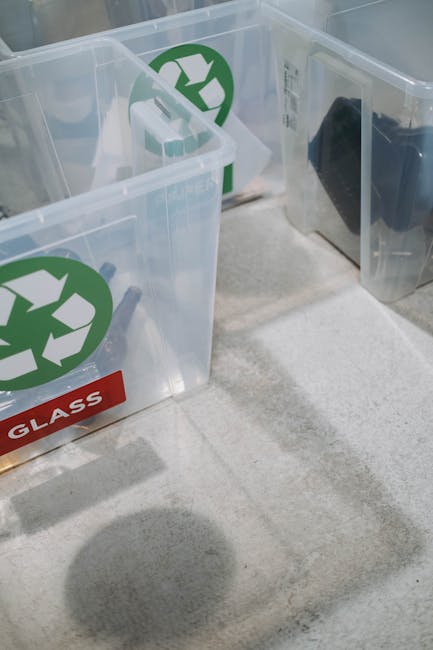
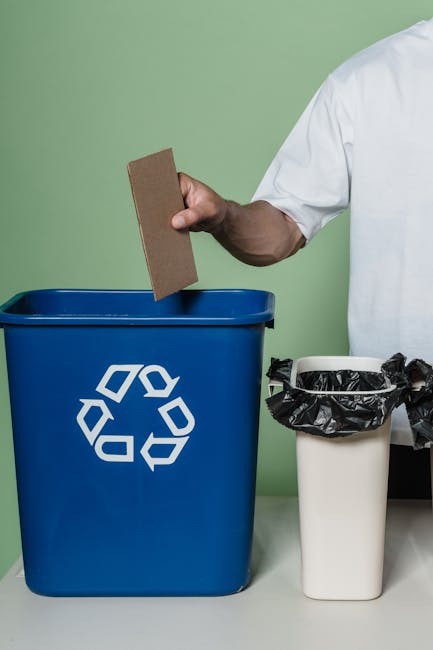
Guide to separating recyclables before removal to cut costs
If your waste bill keeps creeping up, the answer is often simpler than people expect: sort smarter before anything leaves the property. A good Guide to separating recyclables before removal to cut costs is not about making the job fussy. It is about making the load cleaner, lighter, and easier to handle. That usually means fewer mixed bins, fewer penalties, and less time spent paying for rubbish that could have been diverted elsewhere. Truth be told, a messy clear-out can become expensive very quickly.
This guide walks through how pre-sorting recyclables works, why it saves money, and how to set up a straightforward system at home, in a flat, on a work site, or in a business unit. You will also find common mistakes, practical checklists, and a real-world example that shows how small changes can make a proper difference. No nonsense. Just a clear path to lower disposal costs and better recycling outcomes.
Table of Contents
- Why separating recyclables before removal matters
- How the process works
- Key benefits and practical advantages
- Who this is for and when it makes sense
- Step-by-step guidance
- Expert tips for better results
- Common mistakes to avoid
- Tools, resources and recommendations
- Law, compliance, standards, and best practice
- Options, methods, or comparison table
- Case study or real-world example
- Practical checklist
- Conclusion
- Frequently asked questions
Why Guide to separating recyclables before removal to cut costs Matters
At first glance, waste removal looks like a volume problem. You have stuff, it needs going, job done. But once a load is mixed, the cost often rises because everything is treated as general waste or bulky waste rather than having recoverable materials pulled out first. Cardboard, metals, certain plastics, wood, green waste, and white goods can often be separated before collection. That gives the removal team a better chance of diverting items to recycling routes instead of paying higher disposal fees on the whole lot.
There is also a simple operational reality here. Mixed waste takes longer to sort later. Time costs money. If you hand over a more organised load, the removal process is usually smoother and less labour-heavy. In London, where access can be tight and loading time matters, that can be a real advantage. A van parked awkwardly in a side street off the A-road? Nobody wants to spend extra minutes digging through one huge heap while the clock runs. Let's face it, that is how costs quietly creep up.
For households, this can mean smaller collection charges or fewer bags classed as non-recyclable waste. For businesses, it may also support cleaner site management, better storage, and simpler handover to a licensed carrier. If you want the broad backdrop on responsible disposal and diversion, the site's recycling and sustainability guidance is a useful companion piece.
How Guide to separating recyclables before removal to cut costs Works
The basic idea is straightforward: separate recyclable materials from mixed rubbish before the collection day. Then group similar items together so they can be loaded, handled, and processed efficiently. Some removal services charge based on labour, load type, or how much material ends up in a disposal route. When recyclable items are already separated, the collection becomes easier to sort and sometimes cheaper to process overall.
In practical terms, this usually happens in three stages. First, you identify what can be recycled or reused. Second, you sort those items into clear piles, sacks, or containers. Third, you remove the leftover general waste separately. The more disciplined the first two stages are, the fewer surprises appear at collection time. And surprises, in waste work, are nearly always expensive. A half-broken wardrobe frame hiding behind bags of cardboard? That sort of thing tends to slow everything down.
Depending on what you are disposing of, different service types may fit better. For example, a mixed house clearance is not the same as a builders' site tidy-up or an office strip-out. If you are dealing with furniture, beds, fridges, or appliances, the relevant specialist pages such as furniture disposal, mattress disposal, and white goods recycling show how item-specific handling can change the disposal route.
Key Benefits and Practical Advantages
Separating recyclables before removal is not just a tidy-up habit. It creates real, day-to-day advantages that show up in the price, the speed of the job, and the amount of material kept out of landfill or incineration.
- Lower disposal costs: recyclable material often costs less to process than mixed general waste.
- Faster collections: clear piles are easier to load and less likely to cause delays.
- Better use of paid capacity: a van or skip filled with clean, sortable material is being used more efficiently.
- Reduced contamination: clean recyclables are more likely to be accepted into the right recycling stream.
- Less manual sorting later: that saves labour, and labour is where many hidden costs live.
- Improved site safety: sharp edges, loose glass, and awkward items are easier to control when sorted properly.
There is also a less obvious benefit: better judgement. Once you start sorting properly, you often realise that some items do not need removal at all. A box of usable office chairs, a stack of cardboard, or a few metal shelving parts may be reusable, recyclable, or sellable rather than waste. That changes the economics quite a bit.
Practical takeaway: the cleaner the material stream, the less you pay to move and process it. In waste management, neatness really does pay.
Who This Is For and When It Makes Sense
This approach makes sense for a lot of people, but not everyone needs the same level of effort. A one-off spring clean will not need the same system as a business clearing stock from a back room every month.
You are a good fit for this method if you are:
- clearing out a house, flat, loft, garage, or shed
- preparing for a move and want to trim removal costs
- disposing of office furniture, packaging, or archive clutter
- managing a small building project with wood, metal, and rubble
- running a shop, cafe, or local business with regular waste streams
- trying to reduce the cost of bulky waste removal
It also makes sense if you are dealing with a property in a tight-access area, like a terrace street or a flat above shops. In those cases, every extra trip from the door to the vehicle adds friction. Sorting in advance can shave off just enough time to keep the job calm rather than chaotic. And yes, calm matters more than people think when you are carrying furniture down three flights of stairs.
For larger domestic jobs, pages like house clearance, flat clearance, and garage clearance are useful because the sorting logic changes depending on the space and item mix.
Step-by-Step Guidance
Here is a practical way to separate recyclables before removal without turning the whole thing into a weekend saga.
1. Walk through the space first
Do one slow circuit of the room, loft, garden, or site. Do not start moving items too fast. Look for obvious recyclable groups: cardboard, paper, clean plastic packaging, metal items, intact wood, green waste, and white goods. If you are in a kitchen or utility room, appliances and kitchenware may need different handling. A quick scan now saves a lot of backtracking later.
2. Create simple sorting zones
Use separate piles, boxes, or bags. Keep it simple:
- one area for clean cardboard and paper
- one for metal items
- one for plastics and mixed packaging where accepted
- one for wood and bulky timber
- one for reusable items
- one for true general waste
Do not overcomplicate it. If you create ten categories, nobody remembers them by tea-break. Three to six is usually enough for a domestic or small commercial clear-out.
3. Remove contamination
Food residue, paint, chemicals, wet paint tins, oily packaging, and broken glass can ruin a recyclable load. Even a few contaminated items can make sorting harder. If in doubt, keep questionable items separate and ask the removal team how they prefer them handled.
4. Flatten and bundle where sensible
Flatten cardboard, nest smaller boxes, and tie clean materials into manageable bundles. This makes loading easier and reduces wasted space. A stack of flattened boxes takes up far less room than a wobbling tower of half-crushed cartons. It sounds obvious, but you would be amazed how often this step gets skipped.
5. Keep heavy and sharp items under control
Metal frames, broken shelving, old appliances, and stripped-out fixtures need care. Place sharp pieces in a way that will not snag bags or injure anyone. If you are handling anything awkward, the service should already have the right process, but good preparation helps. The insurance and safety and health and safety policy pages are worth a look if you want to understand the site's general approach to safe handling.
6. Separate specialist items early
Fridges, mattresses, sofas, beds, and some electronics often need specific routing. Keep these items away from standard recyclable material so they do not slow down the rest of the load. If you are disposing of a fridge, the relevant fridge disposal information is more useful than treating it like ordinary scrap.
7. Confirm what the removal team will accept
Every provider has rules about what can be taken, what needs pre-sorting, and what must be excluded. Confirm the load before collection day. It saves awkwardness, and nobody wants a partially loaded van because one item was missed. Been there, seen that, not ideal.
Expert Tips for Better Results
These are the small habits that tend to save the most money in practice.
- Label piles clearly: even a bit of masking tape on boxes helps when several people are sorting.
- Sort by material, not by room: it is easier to process one strong cardboard pile than five mixed room-by-room bags.
- Keep recyclables dry: damp cardboard and wet paper can become less useful very quickly.
- Bundle by size: long wood offcuts should not sit loose among smaller recyclable items.
- Pull reusable items out first: if it still works or can be donated, do that before classifying it as waste.
- Plan around access: in flats, basements, and narrow stairwells, a neat staging area reduces movement and noise.
A useful rule of thumb is to sort before the van arrives, not while it is waiting outside. At 8:15 in the morning, with a neighbour asking if the lift will be blocked, that little bit of prep can make all the difference.
If the job involves wider clearance work, you may also benefit from reading about rubbish removal and waste clearance, since the methods and pricing logic often overlap.
Common Mistakes to Avoid
Most expensive mistakes come from rushing, not from lack of effort. These are the ones that crop up again and again.
Mixing clean recyclables with food waste
One greasy pizza box in a cardboard stack may not look like a big deal, but contamination can spread fast. Keep food waste out of the recycling stream from the start.
Using one giant mixed pile
It feels efficient in the moment. It is not. A single mixed pile usually means more sorting later and a higher chance that the whole load is treated as general waste.
Forgetting about small metal items
People often remember the big furniture but forget curtain rails, shelving brackets, file cabinets, or scrap metal. These items can be easy wins if separated early.
Ignoring reusable items
Not everything needs to become waste. Good-condition furniture, appliances, and office equipment may have another life. If you skip this step, you can end up paying to remove something that still had value.
Not checking restricted items
Certain waste types need special handling. Batteries, paint, chemicals, and some electricals should not be casually mixed in with everyday waste. That is one of those areas where "sort it later" becomes expensive very quickly.
Waiting until collection day
Then you are in a rush, the bags are in the wrong room, and everyone suddenly discovers what is behind the wardrobe. It happens. More often than people admit.
Tools, Resources and Recommendations
You do not need fancy equipment to separate recyclables properly, but a few basic tools make the job far less annoying.
- Heavy-duty bags: for general waste, non-sharp recyclables, and loose items.
- Stackable crates or boxes: ideal for cardboard, paper, and small reusable items.
- Marker pens and labels: simple, cheap, and surprisingly effective.
- Gloves: useful for broken items, dusty lofts, and awkward clear-outs.
- Box cutters or scissors: for flattening packaging safely.
- Tape: for bundling cardboard and securing light materials.
On the service side, it is worth knowing the difference between general collection routes and specialist item handling. For example, large household pieces might be better handled through large item collection or bulky waste collection, while renovation leftovers may fit builders waste clearance more neatly.
If you are comparing costs, ask about the following before booking:
- what counts as recyclable or recoverable material
- whether sorted loads are priced differently
- what items must be kept separate
- how access affects the quote
- whether there are extra charges for heavy, awkward, or specialist waste
That kind of clarity avoids unpleasant surprises. And nobody likes unpleasant surprises in a disposal quote.
Law, Compliance, Standards, or Best Practice
Waste handling in the UK comes with responsibilities, and while this article is not legal advice, it is sensible to stay close to established practice. If you are a household customer, the main focus is usually using a reputable service and separating materials sensibly. If you are a business, the picture is broader. You may have more detailed waste duties, record-keeping expectations, and a need to ensure your waste contractor is properly authorised.
As a general best practice, keep waste streams as separate as practical. Do not mix recyclable material with hazardous items. Do not assume every carrier handles every waste type. Check identification, paperwork, and service scope where relevant. If a company mentions licensing, insurance, or safety controls, that is a good sign. The site's why use an Environment Agency licensed waste carrier article gives a helpful overview of why proper carrier status matters.
For businesses, it is also sensible to keep an internal process that staff can actually follow. Fancy policy documents are fine, but a labelled bin system and a simple checklist usually do more in the real world. In a back office near closing time, simple beats clever nearly every time.
Options, Methods, or Comparison Table
There are several ways to handle recyclable separation before removal. The right choice depends on the size of the job, the type of material, and how much time you have.
| Method | Best for | Pros | Limitations |
|---|---|---|---|
| Pre-sorting at source | Homes, flats, small offices | Low cost, simple, reduces contamination | Needs a bit of planning and space |
| Room-by-room sorting | Large clear-outs | Easy to start, less overwhelming | Can create mixed piles if not labelled well |
| Service-led sorting | Busy households or businesses with limited time | Convenient, handled by professionals | May cost more if the load is messy |
| Hybrid approach | Most mixed jobs | Balances convenience and savings | Needs clear communication before collection |
In practice, a hybrid approach works well for many customers. You sort the obvious recyclables first, keep the awkward bits separate, and let the removal team advise on the rest. That tends to produce a more efficient, less stressful outcome.
Case Study or Real-World Example
A small office in central London was clearing out after a move to a new unit. The original plan was to leave everything in one back room and book a mixed rubbish removal. On inspection, though, the team realised the load contained a lot of clean cardboard, several metal filing shelves, old desk chairs, packaging film, and a couple of white goods from the kitchenette.
Instead of dumping it all together, they split it into four groups: recyclable cardboard, metal, reusable office furniture, and specialist appliance items. The sorting took about an hour with two staff members and a few crates. Not glamorous. A bit dusty, too. But it changed the job completely. The general waste portion became much smaller, the loading time was shorter, and the removal team did not need to pick through a single mixed heap.
The most useful lesson? The office did not need perfect recycling discipline. It just needed enough separation to stop valuable material being treated as one expensive mixed load. That is usually the sweet spot. Good enough to save money, practical enough to keep moving.
Practical Checklist
Use this before your collection day. Keep it close, then tick it off once and move on.
- Have I separated cardboard, paper, metal, and clean packaging?
- Have I pulled out reusable items that should not be discarded?
- Are food waste, liquids, and contaminated materials kept apart?
- Have I identified any specialist items like fridges, mattresses, or batteries?
- Are recyclable materials dry, flattened, or bundled where possible?
- Is the load easy to access for the removal team?
- Have I checked what the carrier will and will not accept?
- Do I know which items may need a separate collection route?
- Have I made sure sharp or heavy items are handled safely?
- Is the final general waste pile genuinely general waste?
If you can tick most of those boxes, you are in good shape. Not perfect. Good enough. And honestly, that is usually where the savings start.
Conclusion
Separating recyclables before removal is one of the most practical ways to reduce waste costs without making life harder. It works because it cuts contamination, speeds up loading, improves recycling rates, and stops reusable or recoverable material from being treated as expensive mixed rubbish. Whether you are clearing a flat, managing a business unit, or dealing with a bigger household tidy-up, the basic principle stays the same: sort early, keep it simple, and be realistic about what truly needs throwing away.
In real life, the savings usually come from ordinary habits rather than dramatic overhauls. A few labelled boxes. A few minutes of thought. One less messy pile. It adds up. And when the collection team arrives, the whole job tends to feel lighter, calmer, and a bit more under control. Which, after a long clear-out, is no small thing.
Get a free quote today and see how much you can save.
Frequently Asked Questions
Does separating recyclables really reduce removal costs?
Often, yes. A cleaner load can reduce sorting time, lower disposal charges on mixed waste, and make it easier to route recoverable materials correctly. The exact saving depends on the type of waste and the service used.
What recyclables should I separate first?
Start with the obvious ones: cardboard, paper, metal, clean plastics, wood, and reusable items. After that, look at specialist pieces such as white goods, mattresses, and large furniture.
Can I put all plastics together?
Not always. Some plastics are accepted more easily than others, and contamination matters. If you are unsure, keep plastics separate from food-contaminated items and ask the remover how they prefer them sorted.
Should I clean items before putting them in recycling piles?
A quick rinse or wipe is often helpful for packaging with residue, but you do not need to deep-clean everything. The main thing is to avoid obvious contamination like food, liquids, grease, or chemical residue.
Is it worth separating recyclables for a small household clear-out?
Yes, especially if you have cardboard, metal, reusable furniture, or old appliances. Even small loads can become cheaper and easier to handle when the recyclable parts are separated early.
What happens if recyclables are mixed with general waste?
They may be treated as mixed waste, which can increase disposal costs and reduce the chance of recovering useful materials. In some cases, contamination can make the whole load harder to process.
Do businesses need to sort waste more carefully than households?
Usually, yes. Businesses often have stronger expectations around waste segregation, contractor checks, and record-keeping. It is best to keep clear internal routines and use a properly authorised waste carrier.
How do I separate recyclables in a flat with little space?
Use stackable boxes, under-counter bags, or one corner of the room as a sorting zone. Keep it compact. A small, tidy staging area is better than lots of half-finished piles spread everywhere.
Are fridges, mattresses, and sofas part of recycling?
They can be, but they usually need special handling. It is better to keep them separate from standard recyclables and use the correct collection route for each item.
Can I save money by flattening cardboard?
Usually, yes. Flattened cardboard takes up far less space, which can help the load fit more efficiently and reduce the amount of vehicle space wasted on air.
What is the biggest mistake people make before collection day?
Leaving sorting until the last minute. That is when recyclables get mixed with general waste, reusable items get ignored, and the removal job becomes slower and more expensive than it needed to be.
How far ahead should I sort my recyclables?
Ideally, the day before or earlier if possible. That gives you time to spot specialist items, make a decision about reuse, and avoid the classic rush of discovering three more bags behind the sofa five minutes before pickup.
If you are planning a wider clear-out, you may also find useful context in waste removal, bulk waste collection, and pricing and quotes. The details vary by job, but the saving principle stays the same: sort well, waste less, pay less.